Opening a restaurant without a business plan is like opening the kitchen on a Saturday night without knowing how much stock you have: you might survive the shift, but you'll be making decisions blind. A business plan isn't a document to file away — it's the map you use to decide how much capital you need, how big your menu should be, and how soon you expect to turn a profit.
Why you need a business plan before opening
Most restaurants that close in their first year don't close because of bad food — they close because they ran out of cash before reaching their break-even point. A business plan forces you to put a number on every assumption: how much it costs to set up the kitchen, how many diners you need per day to cover payroll and rent, and what happens if the first quarter sells less than expected. That exercise, done before signing the lease, is what prevents most surprises.
Restaurant Business Plan
A ready-to-fill template: executive summary, market analysis, financial projection, and more.
The key elements of a restaurant business plan
Executive summary
It's the first thing any partner or bank reads, and it should stand on its own: what kind of restaurant you're opening, for whom, in what location, and why there's an opportunity there. It's written last — it only makes sense once you've already worked out everything else.
Market and competition analysis
"I like the area" isn't enough. You need to know how many similar restaurants are nearby, what average price they charge, and what the people who live or work close by actually eat. This analysis is what validates — or kills — the idea before you spend a peso on renovations.
Financial projection
Initial investment, monthly fixed costs, expected average ticket, and the number of diners per day you need to break even. It doesn't have to be perfect — it has to be honest. An overly optimistic projection only postpones the problem.
Newsletter
Join the Yuumi newsletter
Guides, tips, and real cases for your restaurant — straight to your inbox, no spam.
How to calculate your opening costs
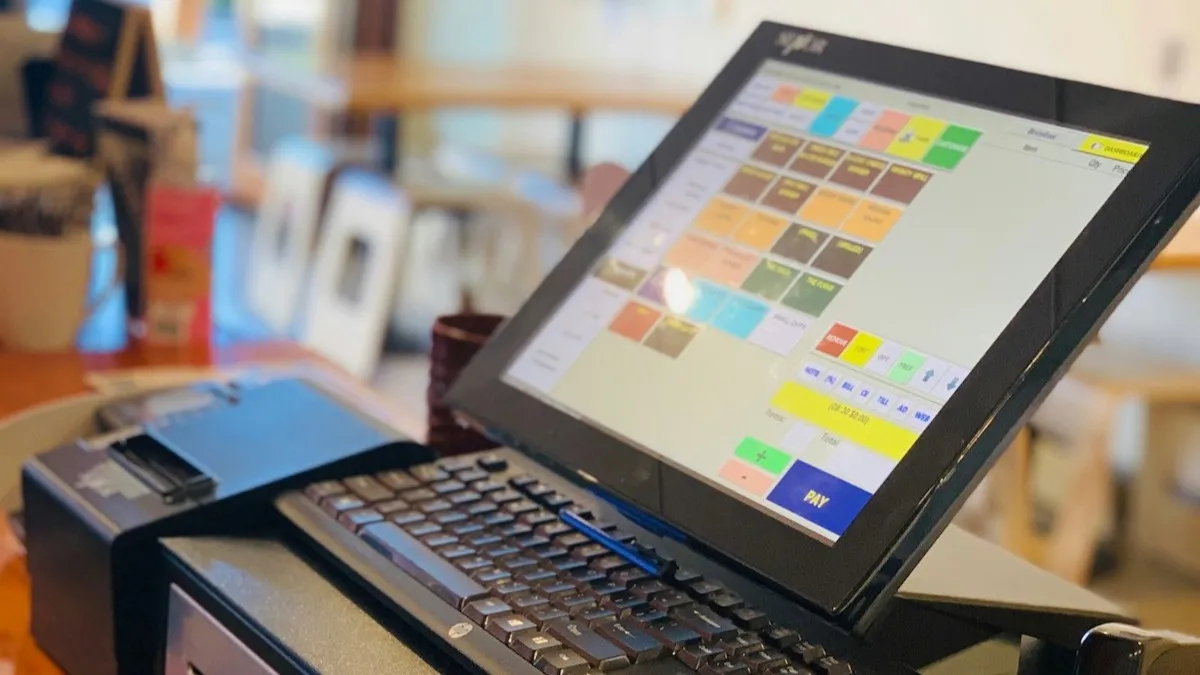
Split costs into three groups: the ones you pay once (renovation, equipment, tableware, POS system), the ones that start running from day one even if you're not billing yet (rent, payroll, utilities), and the cash cushion you need to cover the first few months while the business finds its rhythm. That third group is the one most restaurants underestimate.
- Fitting out the space and tableware
- Kitchen equipment and POS system
- Initial ingredient inventory
- Payroll and rent for the first 2-3 months
- Opening marketing
Restaurant Operations Manual
Procedures, checklists, and standards so your team operates the same way every day, from the very first shift.
Common mistakes when writing your business plan
The most common: projecting sales based on your best day, not the industry's real average. The second: leaving no room for operational surprises (a supplier raising prices, a slow month). The third: treating the plan as a document you write once — in reality, it should be reviewed every quarter against what's actually happening in your cash flow.
The business plan is the starting point, not the destination
No plan survives its first real contact with an actual shift, unchanged. What matters isn't getting every number right, but having the framework to know when something is drifting and why. With that framework clear, opening stops feeling like a leap of faith and starts feeling like executing a plan.