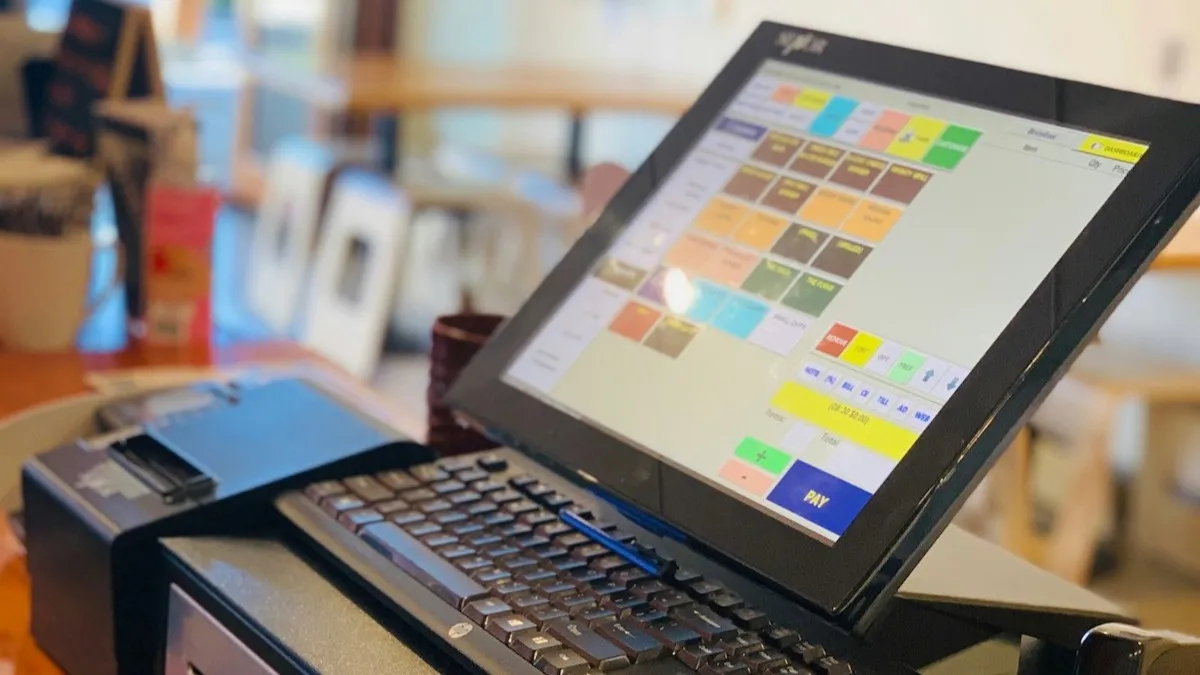

At the end of a shift, many restaurants still pull out the calculator to add up how much was sold, how much is VAT, and how much is still owed to the DIAN, as if the register and the invoice were two separate systems you have to reconcile by hand. Invoicing electronically isn't one more step tacked onto closing out — it's making sure the sale, the tax, and the report get resolved at the exact moment the table pays.
Why invoice electronically before it's your turn to shut down
Most restaurants believe being under the SIMPLE tax regime exempts them from electronic invoicing, and that's not true: the SIMPLE regime only changes how the tax is filed (bimonthly, with 5% VAT instead of the 8% consumption tax), but the obligation to issue an electronic invoice applies regardless, no matter the business's size or regime. In practice it requires you to handle two different documents depending on the sale (a full electronic invoice when the customer asks for their tax ID, an electronic POS ticket for the end consumer who doesn't identify themselves) and a third one, the supporting document, every time you buy from a supplier who doesn't invoice, like the corner market or an informal ingredient supplier. Failing to comply isn't just a fine: it's closure of the business for up to 3 business days plus a penalty of 5% to 15% of the month's gross income — in December 2024 alone, in Bogotá, 35 restaurants closed over this and another 39 paid $533 million COP in combined fines. That's why it's worth solving before it's your turn, not after the shutdown.
DIAN Electronic Invoicing Guide + Checklist for Restaurants
Ready-to-use template: which document to issue for each sale, when you need to generate a supporting document, what the DIAN actually requires versus what's just good practice, and what happens if you don't comply on time.